The Myth of Simultaneous Financial Health
Many individuals approach personal finance with a sense of frantic urgency. The pressure to eliminate debt and the anxiety of retirement often feel like two competing fires that must be put out simultaneously. This mindset leads to a common strategic error: attempting to maximize long-term investments or aggressively eliminate all debt without first establishing a foundational safety net. The result is often systemic risk. When an unexpected expense arises, such as a car repair or a medical bill, the individual has no liquidity. They turn to credit cards, incurring new high-interest debt just as they are trying to pay down old obligations. This cycle of vulnerability undermines the very progress they are trying to make.
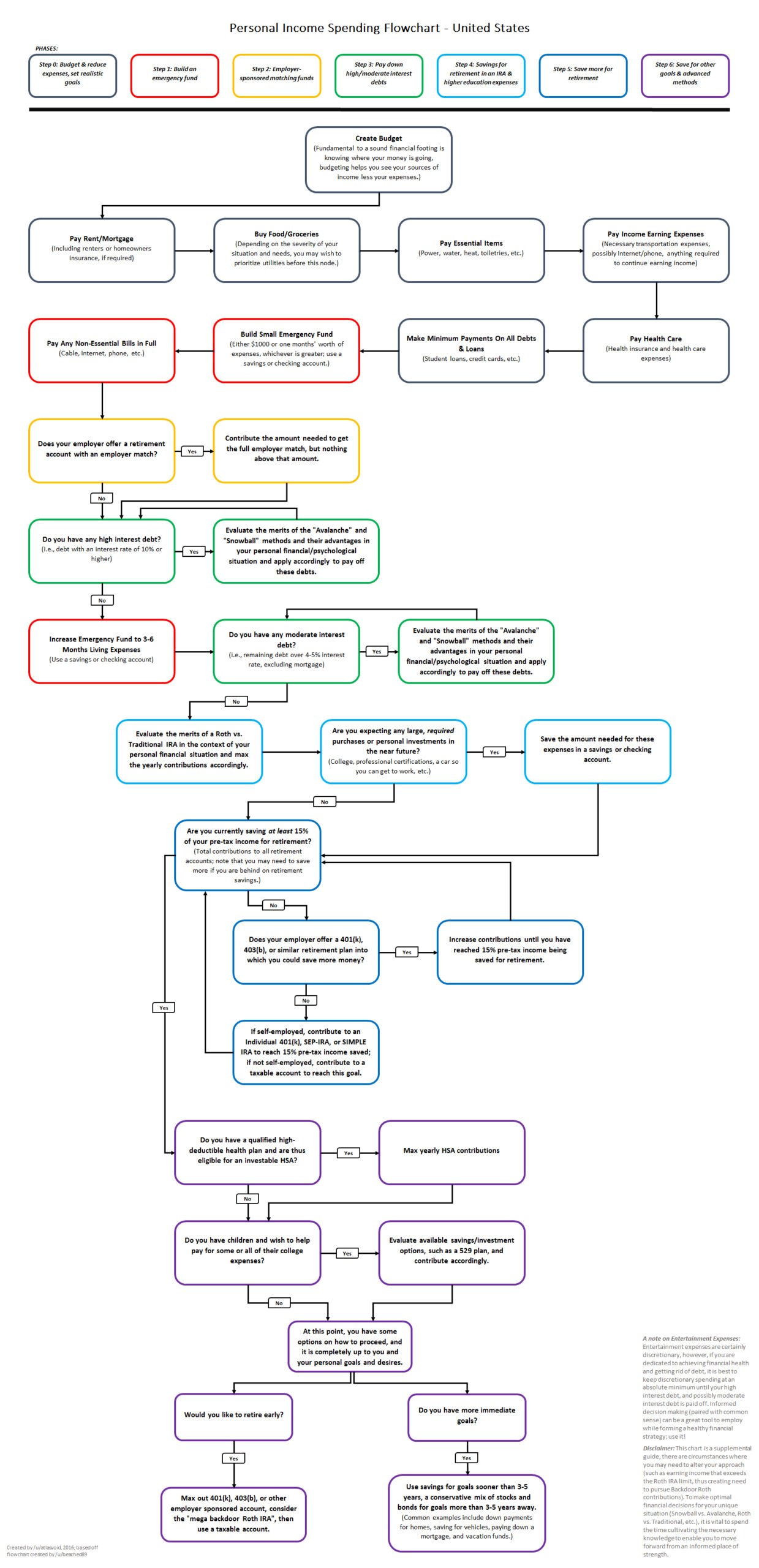
A more robust strategy requires a specific, prioritized sequence of operations. The core argument is that financial health is a phased progression, not a simultaneous achievement. By securing essential needs and emergency reserves before addressing debt repayment and long-term wealth accumulation, individuals can prevent financial fragility while systematically reducing liabilities. This approach ensures that each step builds upon the security of the previous one, guiding the individual from a state of vulnerability to one of resilience.
The Critical Role of the Small Emergency Fund
The first and most counterintuitive step in this framework is the creation of a “small” emergency fund before any aggressive debt repayment begins. This initial reserve acts as a buffer against the unexpected. Its primary purpose is to prevent the accumulation of new high-interest debt during the vulnerable period of liability reduction. Without this buffer, a single surprise expense can derail months of disciplined repayment, forcing the individual back into the cycle of borrowing.
This distinction is vital because it acknowledges the opportunity cost of cash while prioritizing the immediate threat of insolvency. Holding cash in a low-yield savings account while high-cost liabilities remain active is mathematically inefficient. However, the psychological and financial risk of falling back into debt due to a lack of liquidity is far greater. Therefore, the model mandates that this foundational safety net be established first. Only after this reserve is in place should individuals proceed to make minimum debt payments and begin systematically attacking high-interest obligations.
Defining the Hierarchy of Debt
Once the small emergency fund is secured, the focus shifts to debt elimination. The framework provides specific thresholds for classifying debt, which dictates the urgency of repayment. High-interest debt is defined as any obligation with an interest rate of 10% or higher. This category typically includes credit cards and personal loans. Moderate-interest debt is defined as rates exceeding 4–5%, explicitly excluding mortgages. The guide prescribes that high-interest debt must be eliminated before addressing moderate-interest debt. This hierarchy ensures that the most expensive liabilities are removed first, maximizing the net worth impact of each dollar paid.
Regarding the method of repayment, the framework avoids prescribing a single universal strategy. Instead, individuals are encouraged to evaluate the “Avalanche” method, which prioritizes the highest interest rate, versus the “Snowball” method, which prioritizes the smallest balance. This distinction integrates behavioral economics into financial logic. While the Avalanche method is mathematically efficient, the Snowball method may provide the motivational boost necessary for some individuals to stick to a repayment plan. Adherence is as important as optimization. If an individual is more likely to complete the process using the Snowball method, the psychological benefit may outweigh the minor mathematical inefficiency.
Transitioning to Wealth Accumulation
Once high-interest debt is resolved, the focus shifts to long-term wealth accumulation. The guide emphasizes that employer-matched retirement contributions should be captured immediately. This represents an immediate, risk-free return on investment. However, additional contributions beyond the match should wait until high-interest debt is resolved. The target for total retirement contributions is 15% of pre-tax income. Specific account types are cited for different employment situations, including 401(k)s and 403(b)s for employees, and SEP-IRAs or SIMPLE IRAs for self-employed individuals.
It is important to note that the recommendation for a three-to-six month emergency fund is a general guideline. In high-cost-of-living areas or for individuals with volatile incomes, a larger reserve may be necessary. Conversely, in low-cost areas, a smaller reserve might suffice. Users should adjust this target based on their specific financial stability and local economic conditions. The framework serves as a general supplement rather than personalized financial advice, and its effectiveness depends on the user’s ability to adapt its general principles to their specific, current financial and tax environment.
Practical Application and Limitations
Practical application of this framework requires users to first audit their income and expenses to establish a baseline. This audit is the prerequisite for all subsequent steps, as it identifies the specific amounts available for allocation. Users should automate minimum debt payments and essential bill payments to ensure consistency and reduce the cognitive load of manual management. Once the small emergency fund is established, surplus funds should be directed toward the chosen debt repayment strategy.
The guide notes that discretionary spending should be minimized until both high and moderate-interest debts are paid off. This constraint is a practical tool for accelerating debt elimination but may not suit all individual financial goals or lifestyle preferences. It requires a temporary reduction in quality of life to achieve long-term financial freedom. Furthermore, the framework assumes a standard employment structure and does not deeply address complex tax situations. For instance, the tax implications of Health Savings Accounts or 529 plans may have changed, and the availability of certain retirement accounts may vary. Users must verify current contribution limits, income phase-outs, and tax treatment for these accounts. The fixed thresholds for debt classification may also need adjustment in periods of significantly higher or lower interest rates. In a low-rate environment, the 4-5% threshold for moderate debt may be too high, potentially leaving users with expensive liabilities that are not prioritized. Therefore, while the sequential logic remains sound, the specific parameters must be calibrated to the current economic context.