Assigning a Job to Every Dollar
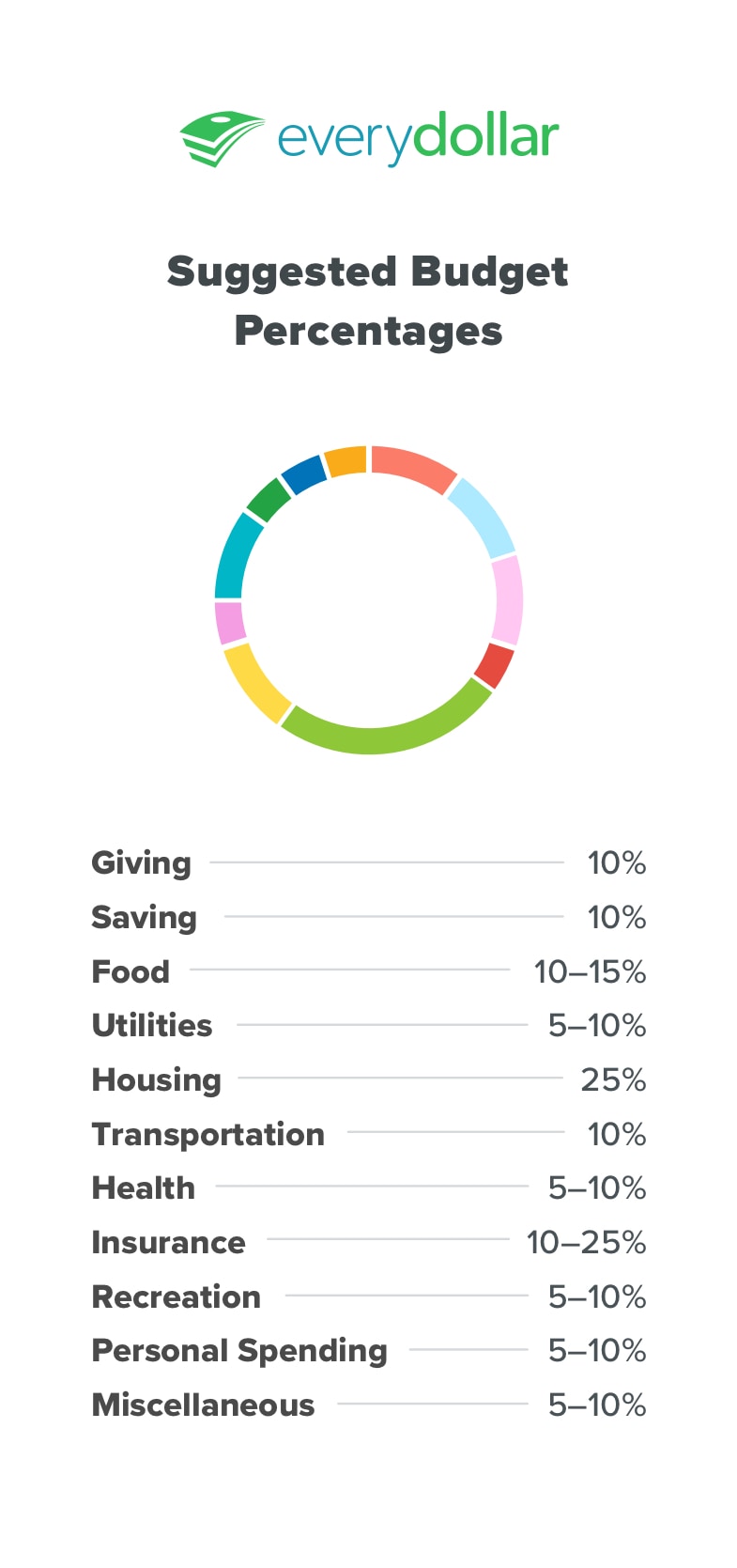
Personal finance often feels like a reactive scramble, where individuals track spending after the fact and hope that what remains covers their needs. The EveryDollar framework offers a different approach, rooted in the discipline of zero-based budgeting. Its core philosophy is proactive: every unit of currency must be assigned a specific purpose before the month begins. This method ensures that financial resources are managed with intention rather than monitored with anxiety. By categorizing expenses into essential and discretionary buckets, the model creates a closed-loop system where financial leakage is minimized. The categories include giving, saving, housing, transportation, utilities, food, health, insurance, recreation, personal spending, and miscellaneous funds. The result is a structure where income equals expenses plus savings and giving, leaving no unallocated funds to drift into untracked spending.
The Balance of Security and Contribution
A defining feature of this framework is its treatment of charitable contributions and future security as equally critical components of financial health. The model mandates a fixed 10% allocation for both giving and saving. This symmetry distinguishes it from other financial models that might prioritize one over the other. By assigning equal weight to these two categories, the framework posits that a healthy financial life is not solely defined by the accumulation of assets. Instead, it views financial discipline as a holistic practice that includes social responsibility. This dual focus suggests that ethical or community contributions are not competing interests with personal security but are integral to a balanced financial life. The standardized percentage-based structure also serves a practical purpose: it provides a necessary scaffold for decision-making, reducing the cognitive load associated with daily financial choices.
Fixed Allocations and Variable Ranges
The architecture of the EveryDollar budget balances consistency with flexibility through a mix of fixed percentages and variable ranges. Certain categories have strict limits to prevent them from consuming a disproportionate share of resources. Housing is capped at 25% of income, a limit that aligns with conventional advice regarding debt-to-income ratios. Transportation is fixed at 10%, covering vehicle payments, fuel, maintenance, and related insurance. These fixed points provide a stable foundation for the budget.
Other categories are assigned ranges to accommodate diverse lifestyles and geographic costs. Food expenses are suggested at 10% to 15%, allowing for adjustments based on whether an individual cooks primarily at home or relies more on dining out. Utilities range from 5% to 10%, accounting for regional climate differences such as higher heating costs in colder regions or cooling costs in hotter climates. Insurance has the widest range in the model, from 10% to 25%, reflecting the significant variability in health, life, and property insurance premiums based on individual risk profiles and coverage levels. Finally, recreation, personal spending, and miscellaneous funds each range from 5% to 10%. The miscellaneous category serves a critical function as a buffer for unpredictable expenses, preventing minor unexpected costs from causing the entire budget to fail.
Applying the Framework in Practice
The framework is designed to be applied by calculating net monthly income and multiplying it by the specified percentages to determine spending limits. For an individual earning $4,000 per month, the fixed allocations would look like this: giving and saving would each be $400, housing would be $1,000, and transportation would be $400. For the variable categories, the user must select a value within the prescribed range based on their specific circumstances. Food would fall between $400 and $600, utilities between $200 and $400, and insurance between $400 and $1,000. Recreation, personal spending, and miscellaneous funds would each be between $200 and $400.
This example demonstrates the model’s adaptability. An individual living in a region with extreme weather might allocate the upper end of the utilities range, while someone with robust health insurance might allocate the lower end of the insurance range. The framework encourages users to customize these variables to reflect their local cost of living and personal needs, ensuring that the budget remains realistic and sustainable. The practical utility of this model lies in its ability to provide a structured starting point for individuals who may feel overwhelmed by the complexity of personal finance. By offering clear boundaries, it reduces decision fatigue and promotes consistent financial behavior.
Limitations and Considerations
Despite its comprehensive structure, the EveryDollar framework has several notable limitations that users must consider. The model does not explicitly address debt repayment as a distinct category. While debt payments may be folded into transportation for car loans or housing for mortgages, high-interest consumer debt is not specifically highlighted. This lack of explicit debt management guidance may require users to develop their own strategies for integrating debt repayment into the zero-based structure. Additionally, the broad range assigned to insurance may require detailed analysis to determine appropriate coverage levels. Without specific guidance on how to evaluate insurance needs, users may struggle to determine where they fall within this wide spectrum, potentially leading to underinsurance or overinsurance. The model also does not specify investment strategies within the 10% saving allocation. It leaves the method of saving entirely to the user’s discretion, whether that be high-yield savings accounts, index funds, or other vehicles. While this offers flexibility, it also places the burden of financial literacy on the user, who must decide how to grow their savings effectively. Users in high-cost regions may also find the 25% housing cap challenging to adhere to without compromising other essential needs, as the model assumes a standard household structure that may not account for the realities of expensive urban centers.