Reimagining the Weekly Routine
For many home cooks, the weekly meal planning cycle feels less like a creative outlet and more like a logistical burden. The pressure to prepare diverse, nutritious meals while managing a busy schedule often leads to decision fatigue. A specific strategy known as the Two-Tray Vegetable and Grain System offers a streamlined alternative. This approach, rooted in anecdotal user experience rather than peer-reviewed culinary science, suggests that efficiency and variety are not mutually exclusive. By decoupling the labor-intensive tasks of cooking from the daily act of assembly, the method aims to reduce both the physical and cognitive load of feeding a household.
The core premise is straightforward. Instead of preparing four or five distinct recipes from scratch, the cook focuses on two primary base elements: roasted vegetables and cooked grains. These components are prepared in bulk at the start of the week. The remaining meals are constructed by pairing these bases with store-bought proteins and varying the format. This modular approach shifts the focus from complex recipe execution to simple component combination, allowing for a structured yet flexible weekly menu.
The Foundation of Batch Processing
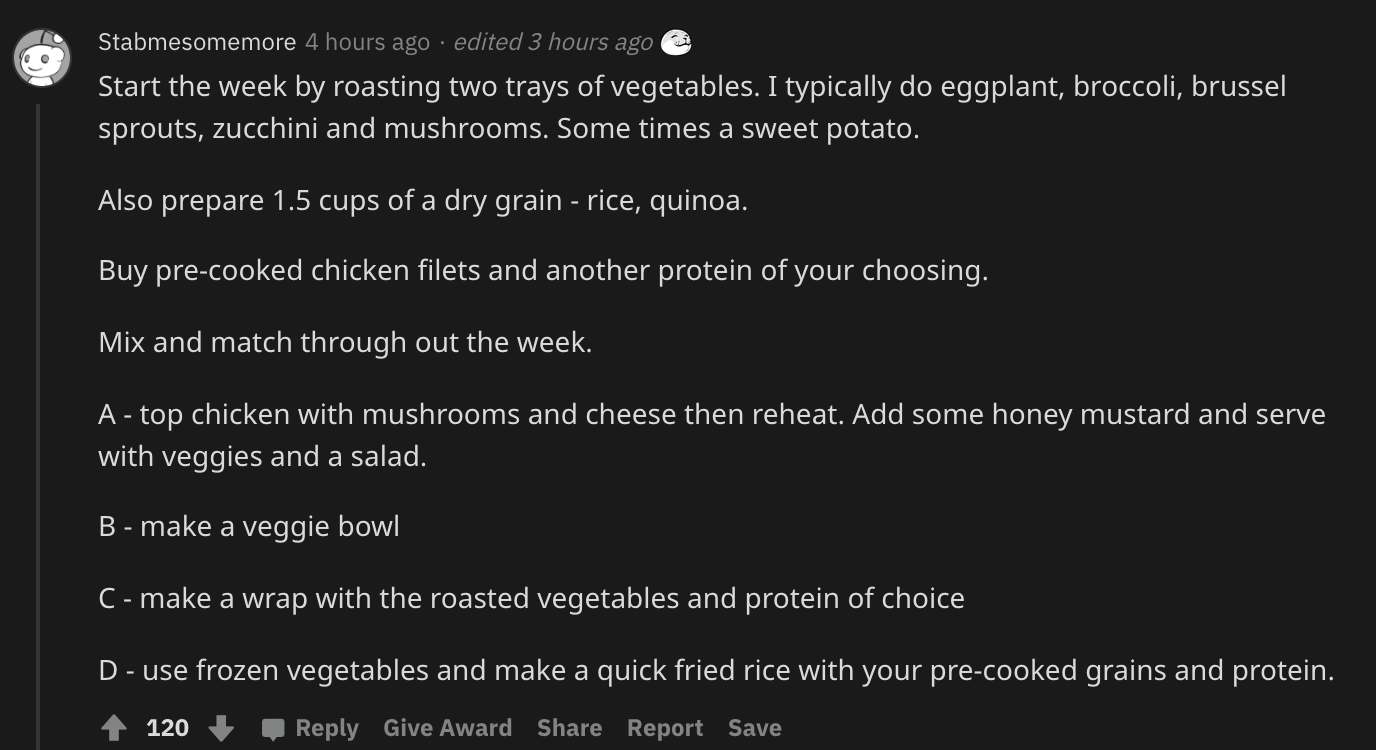
The system relies on a specific set of ingredients that hold up well to roasting and reheating. The vegetable component typically includes items such as eggplant, broccoli, Brussels sprouts, zucchini, mushrooms, and occasionally sweet potato. These choices are significant because they retain their texture and flavor when cooked in advance and stored. Unlike delicate greens that wilt quickly, these robust vegetables can withstand the transition from oven to refrigerator to plate without losing their structural integrity.
Alongside the vegetables, the system requires the preparation of grains, specifically rice or quinoa. A critical technical detail in this process is the measurement of the grain. The strategy specifies using 1.5 cups of dry grain. This distinction is vital for accurate planning, as the yield of cooked grain is significantly higher than the dry measure. Understanding this ratio helps prevent under-preparation, ensuring there is enough base to support the various meal configurations throughout the week.
To further minimize active cooking time, the method explicitly outsources the protein preparation. The cook relies on store-bought pre-cooked proteins, such as chicken fillets, along with a secondary protein option. By eliminating the need to cook proteins from scratch, the system removes one of the most time-consuming aspects of traditional meal prep. This allows the cook to focus solely on the two batch tasks: roasting the vegetables and cooking the grains.
Variety Through Assembly
A key insight of the Two-Tray System is the use of mix-and-match assembly to prevent meal fatigue. The strategy proposes that perceived monotony can be mitigated by rotating through four distinct assembly methods. This approach suggests that changing the physical structure of the meal and the accompanying flavor profile is sufficient to create a sense of variety without requiring new ingredient preparation.
- The Plated Dish: This configuration involves reheating pre-cooked chicken fillets, topping them with mushrooms and cheese, and serving them with honey mustard. It is accompanied by the roasted vegetables and a side salad. This method emphasizes a traditional plated structure, adding richness through the cheese and sauce to create a comforting, home-style meal.
- The Veggie Bowl: This is a straightforward combination of the prepared roasted vegetables, grains, and chosen protein, assembled into a bowl format. This option highlights the versatility of the base components, allowing for a deconstructed meal that can be easily customized with additional toppings or sauces.
- The Wrap: In this format, the roasted vegetables and protein are wrapped in tortillas or similar wraps. This method transforms the meal into a portable, handheld option, changing the eating experience from a seated meal to a quick, on-the-go choice. It offers a textural contrast to the other configurations.
- The Stir-Fry: This option utilizes frozen vegetables, pre-cooked grains, and protein for a quick stir-fry. The inclusion of frozen vegetables in this specific configuration highlights the system’s flexibility, allowing for low-effort meals when fresh ingredients are exhausted or time is limited. This method reintroduces a cooking step but relies on the pre-cooked grains to minimize effort.
Practical Application and Limitations
For individuals seeking to reduce weekly meal planning stress, the practical application of this system follows a specific sequence. First, the user roasts the two trays of vegetables and prepares the grain at the start of the week. Second, the user purchases pre-cooked proteins, ensuring that the necessary items are readily available. Finally, the user rotates through the four assembly methods throughout the week. The system is designed to be low-maintenance, requiring minimal daily culinary effort. The user does not need to plan complex recipes or shop for a wide variety of fresh produce daily. Instead, the focus shifts to the assembly of pre-prepared components.
However, it is essential to recognize the limitations of this approach. As a single user-generated account, the strategy lacks professional culinary authority, nutritional analysis, or specific technical instructions. The source material does not provide cooking temperatures, precise timing, or detailed techniques for roasting the vegetables or cooking the grains. This omission can make it difficult for novice cooks to replicate the results accurately, as the texture and flavor of roasted vegetables can vary significantly based on temperature and duration.
Furthermore, the strategy does not address specific dietary restrictions or nutritional adequacy. For example, the gluten-free status of the wraps used in the wrap configuration is not specified, which is a critical consideration for individuals with celiac disease or gluten sensitivity. Additionally, the reliance on pre-cooked proteins may limit the nutritional diversity compared to cooking proteins from scratch, as store-bought options often contain added sodium or preservatives.
The system also does not address the shelf-life of the prepared components. The duration for which roasted vegetables and cooked grains can be safely stored in the refrigerator is not specified, nor are there guidelines for proper storage to prevent spoilage or bacterial growth. This is a significant gap for a system that relies on batch cooking at the start of the week. Users must apply general food safety principles to ensure the longevity and safety of their prepared meals.
Finally, the effectiveness of the method is based solely on the author’s personal experience. There is no provided evidence regarding cost savings, time savings, or long-term adherence to the system. The approach may not be universally applicable or optimized for all dietary needs, preferences, or household sizes. While the Two-Tray System offers a structured framework for efficiency, it should be viewed as a starting point for personal experimentation rather than a universal dietary protocol. Users are encouraged to adapt the method to their specific needs, verifying food safety practices and nutritional balance independently.