Why Hobbies Deserve More Thought
Hobbies are often treated as an afterthought, something to fill the gaps between work and obligations. Yet the way we spend our free time shapes our health, our friendships and our sense of identity. A well-chosen hobby can relieve stress, build skills, introduce you to new people and provide the kind of deep absorption that makes hours vanish. A poorly chosen one ends up as an expensive piece of equipment gathering dust in the cupboard.
A useful way to think about hobbies is the image of a three-legged stool. A balanced leisure life rests on three kinds of activity: creative, physical and social. Each meets different needs. Remove one leg and the stool wobbles.
The Creative Leg
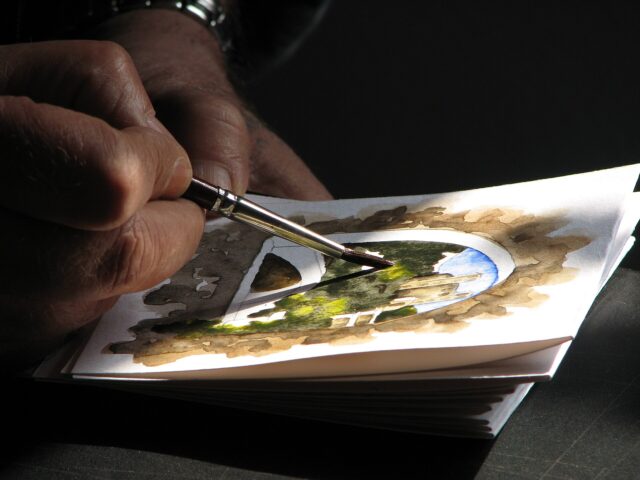
Creative hobbies let you make something that did not exist before. They train patience, problem-solving and self-expression, and they offer the satisfaction of visible progress.
- Examples: drawing, painting, photography, writing, playing an instrument, cooking and baking, woodworking, knitting or sewing, pottery, gardening, coding personal projects, model building.
- Good for: people who enjoy focus, solitude and tangible results; anyone whose job feels abstract or never finished.
- Watch out for: perfectionism. The point is the process, not producing gallery-ready work.
The Physical Leg
Physical hobbies keep the body capable and the mind calmer. Regular movement is one of the most reliable ways to improve mood and sleep.
- Examples: running, cycling, swimming, hiking, climbing, martial arts, dancing, team sports, yoga, strength training, rowing, skiing.
- Good for: anyone who sits a lot, people who process stress physically and those who enjoy measurable improvement.
- Watch out for: choosing something you think you should do rather than something you enjoy. The best exercise is the one you will keep doing.
The Social Leg
Social hobbies connect you with other people around a shared interest. As adult life becomes busier, they are one of the most natural ways to make and keep friends.
- Examples: board game groups, choirs and bands, amateur theatre, book clubs, volunteering, language exchanges, team sports, dance classes, community gardens, local clubs.
- Good for: people who feel isolated, have moved to a new city or want a sense of belonging.
- Watch out for: groups whose atmosphere drains rather than energises you. Try several before committing.
The best hobbies often combine legs. A football team is physical and social; a choir is creative and social; dancing can be all three at once.
Finding Your Fit: Five Questions
- What did you love as a child? Activities that absorbed you at ten often still resonate.
- What does your work lack? If your job is social and hectic, a quiet creative hobby balances it. If you work alone at a screen, choose something physical or social.
- How much time and money do you really have? Be honest. Some hobbies need hours each week or significant investment.
- Do you prefer structure or freedom? Classes and clubs provide schedules; solo hobbies offer flexibility.
- What would you like to be able to do in five years? Play a song, run a half marathon, speak Italian, build a table?
How to Test Hobbies Without Wasting Money
Enthusiasm often fades after the third session, so avoid buying expensive gear at the start.
- Take a trial class or beginner course; many clubs offer free first sessions.
- Borrow or rent equipment, or buy second-hand.
- Commit to a short experiment: six sessions over six weeks, then decide.
- Use the library for books, instruments in some places and online tutorials.
Making It Stick
Hobbies survive when they are scheduled like appointments. Put them in your calendar, find a partner or group to make you accountable, and set small goals that keep things interesting. Accept the awkward beginner phase; every skill is frustrating before it becomes fun.
It is also fine to quit. Trying something and discovering it is not for you is not failure; it is information. Hobbies are meant to enrich your life, not become another obligation.
A Simple Plan
- List three candidate hobbies, one for each leg of the stool.
- Try each for a few weeks with minimal investment.
- Keep the ones that leave you energised and look forward to the next session.
- Review once a year: does your leisure still balance the rest of your life?
A life with one creative outlet, one way to move your body and one community to belong to is remarkably resilient. Choose deliberately, start small and enjoy being a beginner again.