The Financial Pressure of Course Materials
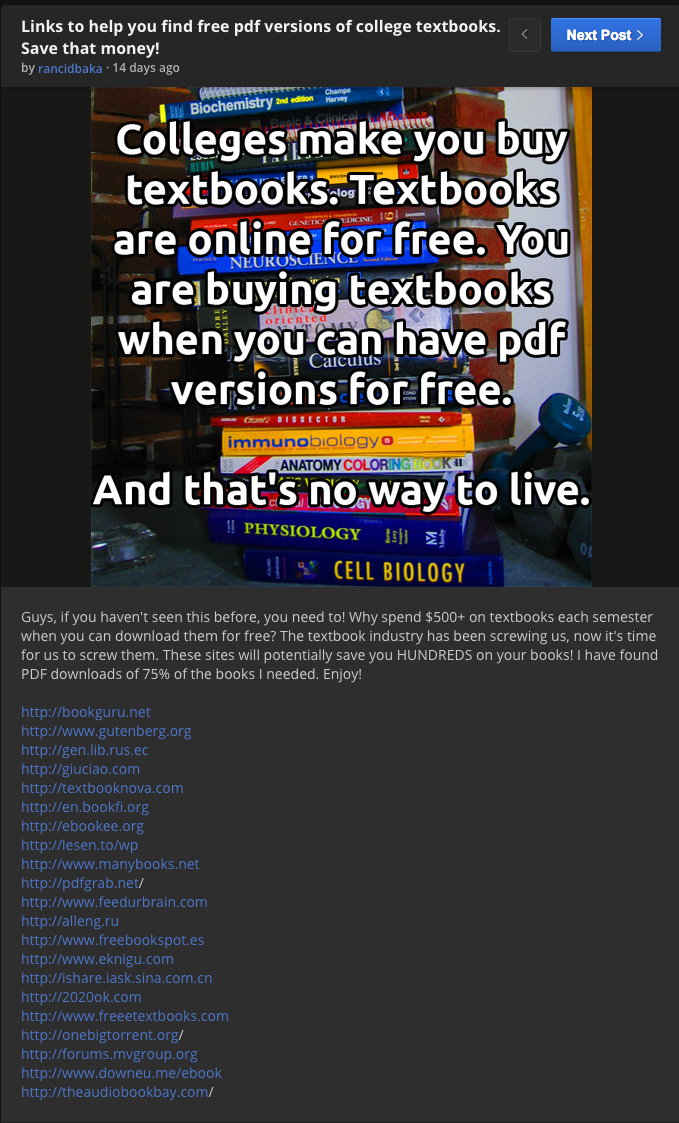
For many students, the cost of higher education extends far beyond tuition and housing. The price of required course materials has become a significant financial hurdle, with some students reporting expenses that rival their monthly rent. This financial strain has fueled a widespread discourse online, where the commercial textbook industry is frequently criticized for imposing what many perceive as an exploitative burden. The argument is straightforward: if the value of academic knowledge is essential for learning, why should access to it be gated behind expensive paywalls? This sentiment is not new, but it has gained traction in digital forums where students share strategies to mitigate these costs.
At the heart of this discourse is a tension between the desire for affordable education and the economic models that sustain academic publishing. Critics argue that high price points are disproportionate to the value received, suggesting that publishers profit from the captive audience of enrolled students. This perspective frames the purchase of a textbook not as a voluntary consumer choice, but as a mandatory fee for access to education. While the frustration is palpable and shared by many, the solutions proposed in these online spaces often lack the nuance required to navigate the complex legal and ethical landscape of intellectual property.
The Allure of Unauthorized Repositories
In response to high costs, a segment of student discourse advocates for the use of unauthorized digital repositories. The logic is one of retributive justice: if publishers are seen as exploiting students, then bypassing copyright is a way to reclaim value. This approach is often framed not just as a budgetary strategy, but as a moral imperative. The language used in these forums can be aggressive, characterizing the act of downloading copyrighted material as a form of resistance against an unfair system.
However, this perspective often conflates all forms of free digital access as equivalent. It fails to distinguish between public domain works, which are legally free to use, and copyrighted materials that are protected by law. This conflation is a critical flaw in the argument. While the goal of reducing costs is valid, the method of obtaining materials through infringing platforms carries significant risks. These risks are not merely theoretical; they affect the security of the user, the legal standing of the student, and the long-term viability of academic resources.
Legal and Security Risks
The primary risk associated with using unauthorized websites is copyright infringement. Downloading and distributing copyrighted material without permission is illegal in most jurisdictions. While enforcement against individual students is rare, the legal implications remain. More immediately, these platforms pose security threats. Files downloaded from unverified sources, particularly torrent sites, may contain malware, viruses, or other malicious code. This is a tangible danger that extends beyond the academic context, potentially compromising personal data and device integrity.
Furthermore, the reliability of these sources is questionable. Many such sites are subject to legal takedown requests, rendering links defunct or unreliable. Students who rely on these platforms may find themselves without access to required materials at critical times, such as before an exam or assignment deadline. The instability of these resources makes them a poor substitute for the consistent access provided by official channels.
The Incomplete Solution of PDFs
Even when a student successfully obtains a digital copy of a textbook, the solution is often incomplete. Modern academic publishing has evolved to include digital components that are integral to the learning process. These include online homework systems, interactive simulations, and updated content that is not available in static PDF formats. Many contemporary courses require access codes for these platforms, which cannot be replicated by simple file downloads.
This means that students may save money on the physical book but still need to purchase access to the digital components. In some cases, the cost of these digital access codes is comparable to the price of the textbook itself. Therefore, the strategy of seeking free PDFs may not result in the significant savings that are often claimed. It is a partial solution that addresses only one aspect of the cost structure, leaving the student to navigate the remaining expenses.
Legitimate Alternatives and Open Access
Despite the risks and limitations of unauthorized repositories, there are legitimate ways to reduce the cost of academic materials. One of the most effective strategies is to explore Open Educational Resources (OER). OER are teaching, learning, and research resources that reside in the public domain or have been released under an open license. These resources are free to use, adapt, and share, and they are increasingly being adopted by universities and individual instructors.
Students can also take advantage of library resources. Most academic libraries offer interlibrary loan services, which allow students to borrow materials from other institutions. Additionally, libraries often have digital collections that provide access to a wide range of academic texts. Purchasing used physical copies is another viable option, as the secondary market for textbooks can offer significant discounts compared to new copies.
The Economic Impact on Publishing
It is also important to consider the economic impact of a blanket rejection of textbook costs. The revenue from textbook sales supports the creation of new educational materials, the compensation of authors, and the development of digital platforms. Authors and publishers rely on this revenue to sustain their work and to invest in the next generation of educational resources. A widespread shift toward unauthorized access could have long-term negative effects on the availability and quality of academic resources.
While the concern over high textbook costs is valid and widely shared, the proposed solution of using unauthorized websites is fraught with legal, ethical, and practical risks. A more balanced approach would involve exploring legal alternatives, advocating for OER adoption, and engaging in constructive dialogue with publishers and institutions to address the affordability of academic materials. By understanding the nuances of the issue, students can make informed decisions that protect their legal standing, their security, and the future of academic publishing.