The Limitation of Plain Water
When a fever spikes or appetite vanishes, the standard advice to drink plenty of water can feel insufficient. While fluid volume is essential, it is not the whole story. In states of acute illness, the body loses more than just water. It loses electrolytes, the charged minerals that regulate fluid balance and nerve function, and it burns through energy reserves at an accelerated rate. Plain water, while hydrating, does not replace these lost ions or provide the metabolic fuel required for recovery. In fact, consuming large volumes of plain water without electrolytes can sometimes dilute the blood, leading to a condition known as hyponatremia, where sodium levels drop dangerously low. To truly restore homeostasis, the body needs a specific combination of fluid, salt, and sugar.
The Physiology of Absorption
The effectiveness of a homemade rehydration solution relies on a specific physiological mechanism in the small intestine. Water does not simply pass through the gut; it is actively absorbed. This process is most efficient when glucose and sodium are present together. These two molecules are co-transported across the intestinal wall, dragging water molecules with them. This is why the ratio of ingredients matters as much as the ingredients themselves. Without the sugar, the salt cannot effectively pull water into the bloodstream. Without the salt, the sugar cannot facilitate the absorption of fluid. This synergy is the cornerstone of oral rehydration therapy, a method that has saved millions of lives globally by treating dehydration without the need for intravenous fluids.
Constructing the Solution
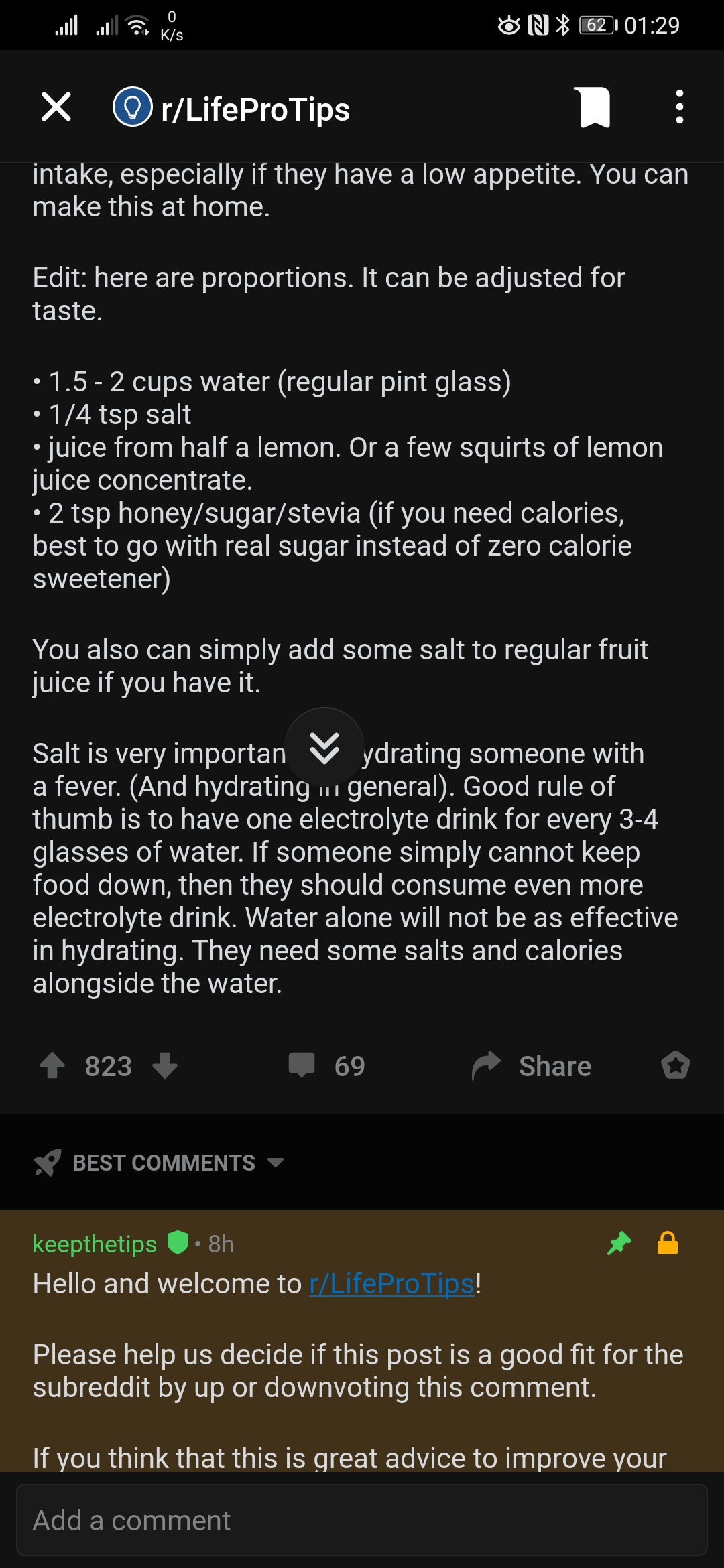
Creating an effective solution at home requires only a few common pantry items. The goal is to mimic the osmolarity of commercial medical formulations, ensuring the drink is neither too concentrated nor too dilute. A standard single serving can be prepared using the following components:
- Water: One and a half to two cups, roughly the volume of a standard pint glass.
- Salt: One-quarter teaspoon. This provides the necessary sodium to drive fluid absorption.
- Sweetener: Two teaspoons of sugar or honey. This is not merely for taste; it provides the glucose required for the co-transport mechanism and offers caloric energy.
- Citrus: The juice of half a lemon or a few squirts of concentrate. This adds a small amount of potassium and vitamin C, while the acidity helps dissolve the other ingredients and improves palatability for those with nausea.
It is crucial to use real sugar or honey rather than zero-calorie alternatives like stevia. Artificial sweeteners do not provide the caloric energy needed to combat hypoglycemia, a common risk during febrile illness when the body is working hard but intake is low. If a patient is retaining solid food, the caloric contribution of the drink is secondary. However, if appetite is lost, this solution becomes a primary source of energy, making the choice of sweetener a functional medical decision rather than a dietary preference.
Application and Ratios
Once prepared, the solution should be consumed in conjunction with plain water. A useful heuristic for caregivers is to aim for one serving of the homemade electrolyte drink for every three to four glasses of plain water. This ratio helps prevent the dilution of blood electrolytes that can occur with excessive plain water intake, while ensuring the body receives the necessary ions to facilitate gut absorption. For individuals who are unable to retain solid food, the volume of the electrolyte drink should be increased. In these cases, the solution serves a dual purpose as both a hydration agent and a partial nutritional replacement. The low volume per serving, typically between one and a half and two cups, allows for gradual intake, which is particularly helpful for patients who are nauseous. Small, frequent sips are less likely to trigger vomiting than large gulps.
Practical Scenarios
This protocol is most applicable in scenarios where access to commercial oral rehydration salts is limited or delayed. It is particularly useful for managing mild to moderate dehydration associated with common febrile illnesses such as the flu or viral infections. Fever increases insensible water loss through the skin and respiration, creating a higher demand for fluid replacement. The simplicity of the recipe is its greatest strength. It requires no specialized equipment and uses ingredients that are readily available in most households. The clear ratio provides a simple mental model for managing fluid intake without the need to calculate milliliters or milligrams. For post-vomiting care, the citrus component can be especially helpful, as the acidity may settle the stomach and the cold temperature can be soothing.
Important Considerations
While this homemade protocol offers a practical and accessible solution, it is important to recognize its limitations. The specific ratios described here are derived from general guidelines and user-generated content, not from peer-reviewed clinical trials for every individual case. Precision matters. A quarter teaspoon of salt is approximately 1.5 grams. In 1.5 cups of water, this yields a concentration close to the World Health Organization standard for oral rehydration solutions. However, slight variations in salt density or measurement accuracy can lead to deviations in osmolarity. A solution that is too salty, or hypertonic, can worsen dehydration by drawing water out of cells. A solution that is too dilute, or hypotonic, may not facilitate optimal absorption. Therefore, careful measurement is essential.
Furthermore, this protocol is not suitable for everyone. Individuals with kidney disease, heart failure, or hypertension may need to restrict sodium intake and should consult a healthcare provider before using salt-based rehydration solutions. The protocol does not address the underlying causes of fever or severe dehydration. Signs of severe dehydration, such as sunken eyes, confusion, or no urine output for eight hours or more, require immediate emergency medical care. This homemade solution is a bridge for mild to moderate cases, a tool to maintain stability while seeking professional advice or waiting for symptoms to subside. It is a testament to the power of simple science, turning basic kitchen ingredients into a life-sustaining remedy.