The Shift from Passive Viewing to Active Verification
Most prospective tenants approach a rental viewing as a passive exercise. They walk through the rooms, admire the natural light, and hope that the space feels right. However, this traditional approach often leaves critical details unexamined. A more rigorous framework suggests that the pre-lease walk-through should not be a courtesy but a critical mechanism for risk mitigation. The goal is to transform the inspection from a simple tour into a documented baseline of the property’s condition. This baseline serves two primary purposes: it identifies immediate safety hazards that require remediation, and it creates an immutable written record that protects the tenant against future disputes over security deposits or liability for pre-existing damage.
The core of this strategy relies on distinguishing between functional mechanical checks and qualitative livability evaluations. Functional checks verify the operational integrity of the home’s systems, such as plumbing, electrical, and structural elements. Qualitative assessments, on the other hand, gauge the adequacy of space, storage, and overall comfort. By separating these two types of assessment, tenants can ensure that they are not just looking at the aesthetic appeal of a unit but are also verifying that it is safe and habitable.
The Necessity of the Dual-Visit Strategy
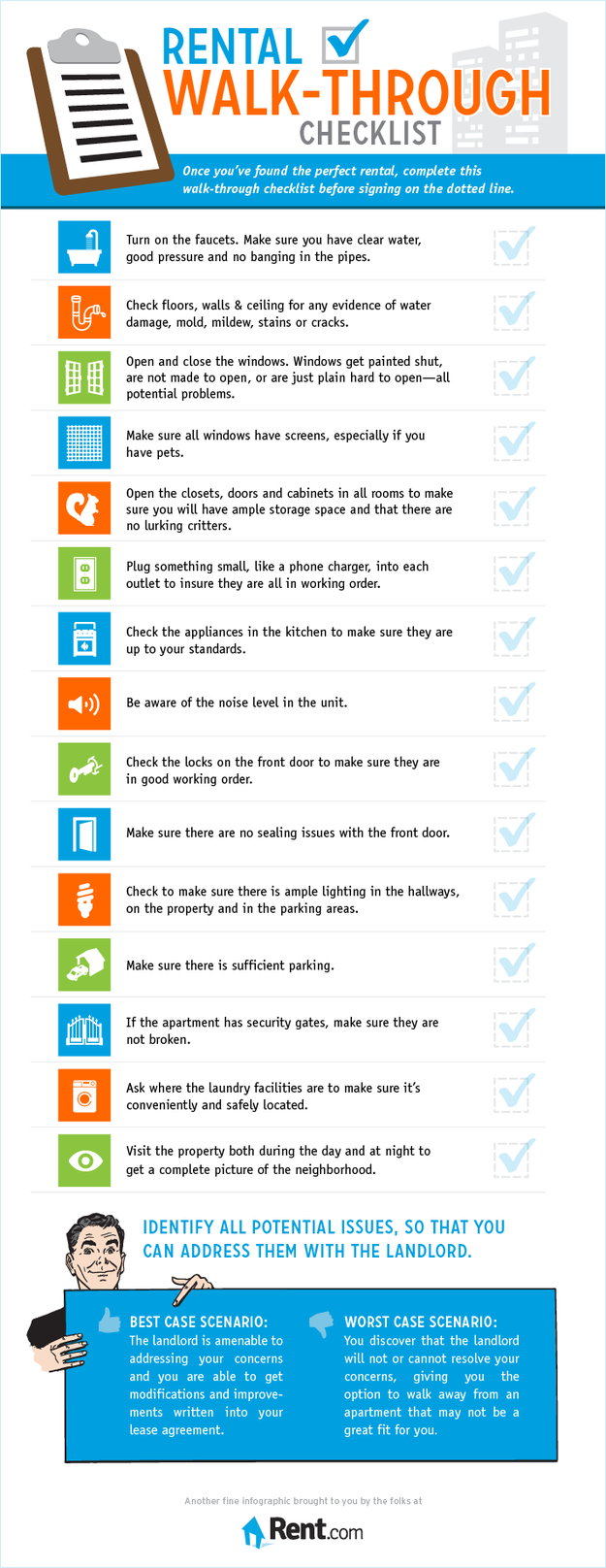
A defining characteristic of a thorough inspection is its temporal scope. A single viewing, particularly one conducted during the day, is often insufficient to capture the full reality of a living environment. The protocol mandates a dual-visit strategy, requiring tenants to evaluate the property and its surrounding neighborhood at different times of day. This approach is designed to uncover factors that are invisible during standard daytime viewings.
Nighttime visits are particularly valuable for assessing safety and ambient conditions. They allow tenants to verify the functionality of hallway and parking area lighting, which is critical for personal security. Furthermore, a night visit reveals the presence of nocturnal disturbances, such as ambient noise from nearby bars, traffic, or neighbors. These sounds are often masked by daytime activity, leading to a false sense of tranquility. By observing the property at night, tenants can ensure they are not surprised by environmental conditions that significantly impact their quality of life. This multi-temporal observation argues that true livability is determined by environmental factors that fluctuate over time, necessitating a more rigorous evaluation standard than traditional rental practices typically employ.
Functional Mechanical Verification
Once the environmental context is established, the inspection must move to active testing of the home’s systems. Passive observation is not enough; tenants must engage with the infrastructure to verify its integrity.
- Plumbing: Tenants should turn on all faucets to verify three specific metrics: the availability of hot water, adequate water pressure, and the absence of leaks. This simple test can reveal underlying pipe issues or water heater malfunctions that are not visible to the naked eye.
- Electrical Safety: To verify that the electrical system is live and safe, tenants must plug a small device, such as a phone charger, into every outlet in the unit. This ensures that no circuits are dead or improperly wired, a common issue in older buildings. While this test does not guarantee the entire system is free from complex faults, it provides a baseline of operational safety.
- Structural Integrity: The inspection involves a detailed examination of floors, walls, and ceilings. Tenants must look for signs of water damage, mildew, stains, or cracks. These indicators often point to underlying moisture issues, poor maintenance, or structural problems that could worsen over time.
Qualitative and Security Assessments
Beyond mechanics, the checklist evaluates the unit’s livability and security. These factors are often overlooked in favor of more visible features, yet they have a profound impact on daily life.
Windows and screens must be checked to ensure they open and close properly. A specific warning is issued to check if windows are painted shut, a common issue that compromises emergency egress and ventilation. Screens must be intact, a detail particularly relevant for pet owners and for preventing insect entry. The assessment also extends to the security infrastructure, including the front door locks, the condition of the foyer, and the integrity of any external security gates. Ensuring that these physical barriers are functional is a basic requirement for a secure tenancy.
Storage capacity is another critical qualitative factor. Tenants are advised to open all closets, drawers, and cabinets to verify that there is ample space for personal belongings. This step serves a secondary purpose: it allows for the inspection of hidden areas for pests. Checking enclosed spaces for signs of infestation is a prudent measure that can prevent future headaches. Additionally, inquiring about the location of laundry facilities is recommended. While this may seem like a minor detail, the convenience and safety of laundry access can significantly impact daily life and is often overlooked in standard viewings.
Documentation and Negotiation
The practical application of this checklist requires specific preparation and execution. Tenants must bring a small electrical device to test outlets and arrange for at least two visits, one during the day and one at night. This may require coordinating with the landlord or property manager to access the unit at non-standard hours.
During the walkthrough, the tenant should follow a logical path through the unit, testing each system as they go. Every defect or concern identified should be recorded in writing, ideally with photographs or videos, to create a verifiable record. This documentation should be shared with the landlord before signing the lease. The inspection serves as the basis for negotiation. If defects are found, the tenant can request repairs before move-in or negotiate adjustments to the lease terms. The tenant should be prepared to walk away from a property if critical safety or habitability issues cannot be resolved.
Limitations and Contextual Considerations
While this protocol provides a robust framework for inspection, it must be used with an understanding of its limitations. The checklist is general in nature and does not provide legal advice regarding lease clauses, local tenant rights, or specific building codes. It should be used as a supplementary guide rather than a comprehensive legal tool. Tenants are advised to consult local laws and regulations to understand their specific rights and responsibilities. For example, the protocol does not specify which defects are legally required to be repaired by the landlord versus those that may be the tenant’s responsibility.
Furthermore, the checklist provides general standards for inspection but does not account for variations in property type, age, or location. The importance of certain checks may vary depending on whether the property is a high-rise apartment, a single-family home, or a historic building. Tenants should adapt the checklist to the specific characteristics of the property they are evaluating. The assertion that a dual-visit strategy provides a complete picture of the property is a qualitative claim. It is possible that other factors, such as seasonal changes or weather conditions, could also impact livability and are not captured by a simple day and night comparison. Tenants should consider the specific context of the property when deciding whether a nighttime visit is feasible and necessary.
Ultimately, the core directive remains clear: a thorough, documented inspection is the foundation of a secure and satisfactory tenancy. By emphasizing functional testing, multi-temporal observation, and detailed documentation, tenants can make informed decisions and protect their interests. This proactive approach shifts the power dynamic between prospective tenants and landlords, ensuring that the rental agreement is based on a clear and accurate understanding of the property’s condition.